
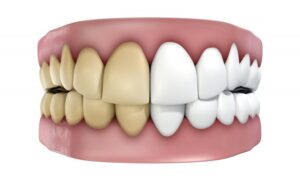
A bright, white smile is often associated with good health and confidence. However, many people experience tooth discoloration at some point in their lives. Tooth stains can develop for a variety of reasons, including diet, lifestyle habits, aging, and certain medications. Understanding the different types of tooth stains can help you determine the best way to treat them and restore the brightness of your smile.
Extrinsic Stains: Surface Discoloration
Extrinsic stains occur on the outer layer of the tooth, known as the enamel. These stains are the most common type and are usually caused by substances that come into contact with your teeth regularly.
Common culprits include coffee, tea, red wine, soda, berries, and tobacco products. These items contain pigments that can cling to enamel and gradually cause discoloration over time.
The good news is that extrinsic stains are often the easiest to remove. Professional dental cleanings can help polish away surface stains, while teeth whitening treatments can significantly brighten the appearance of enamel. Maintaining good brushing and flossing habits and limiting stain-causing foods can also help prevent these stains from returning.
Intrinsic Stains: Discoloration Inside the Tooth
Intrinsic stains develop within the inner structure of the tooth, making them more difficult to treat than surface stains. These types of stains may result from trauma to a tooth, certain medications taken during childhood, excessive fluoride exposure, or the natural aging process.
Because intrinsic stains are located beneath the enamel, standard whitening toothpastes or over-the-counter products may not be effective. Professional teeth whitening treatments performed by a dentist can often improve these stains. In cases where whitening is not successful, cosmetic options such as dental bonding, veneers, or crowns may be recommended to restore a uniform appearance.
Age-Related Stains
As people age, teeth naturally become darker. This happens because enamel gradually wears down over time, revealing the yellowish dentin underneath. Age-related stains are usually a combination of both extrinsic and intrinsic discoloration.
Professional whitening treatments are often very effective for these stains, especially when combined with good oral hygiene and regular dental care.
How to Prevent Tooth Stains
While not all stains can be avoided, there are several steps you can take to reduce your risk of discoloration. Drinking dark beverages through a straw can help limit contact with your teeth, and rinsing your mouth with water after consuming staining foods can help wash away pigments.
Brushing twice a day, flossing daily, and scheduling regular dental cleanings can also keep your teeth looking brighter.
Tooth stains are extremely common, but they don’t have to be permanent. Whether the discoloration is caused by surface stains, internal changes, or the natural aging process, there are effective treatments available. If you’re concerned about tooth discoloration, a dentist can help determine the type of stain affecting your teeth and recommend the best solution.
About the Practice
Here at Morgan Hill Dental Care, we can unlock your smile’s brightest potential through cosmetic treatment. Our friendly and accommodating dental team provides comprehensive dental care under one roof – no outer referrals necessary! And with an in-house savings plan and financing available, you can make paying for the care you need a breeze. Come see us if you’re looking for a glow-up for your grin. Book online or call (408) 778-4838.